What It Means for Creators, Brands, and Advertisers
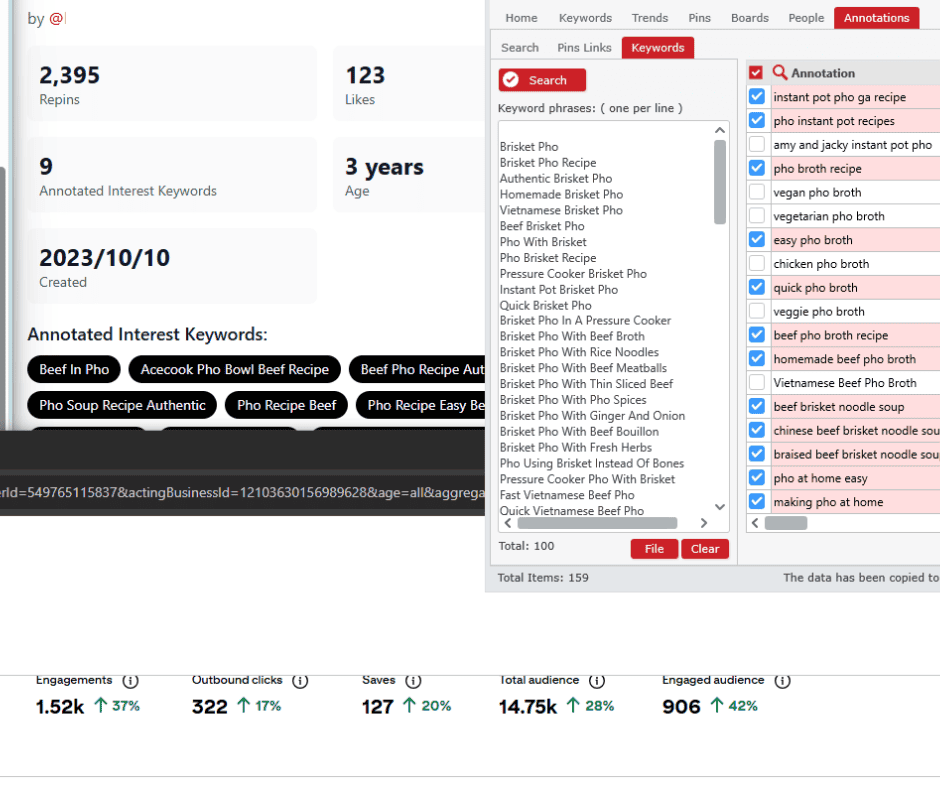
In the height of the dreaded summer slump recovery period, many Pinterest managers noticed a sudden shift — Pinterest hides save counts for individual pins, removing them entirely from several popular third-party analytics tools. At first, some suspected a temporary glitch. But after digging into the platform’s code, it’s become clear that this information hasn’t vanished entirely — it’s just no longer easily accessible outside of Pinterest’s analytics dashboard.
Pinterest Hides Save Counts: Where Did They Go?
While save counts may be less visible in outside tools, they still appear in your creator analytics. If you rely on third-party platforms to monitor saves, you may need to adjust your reporting process. And if you’ve been tracking competitor performance, this change means focusing on other visible engagement signals will be increasingly important.
For more on how Pinterest ranks content beyond saves, check out my guide on Pinterest SEO Tips: How Annotations Affect Pin Rankings — it breaks down the hidden indexing signals you can still use to your advantage.
The Bigger Picture: Protecting Data and the Road Ahead
This Pinterest hides save counts update is more than just a small analytics change — it’s a strategic move to protect competitive data from public view as the platform doubles down on shopping and advertising.
For brands and sellers, the idea that anyone could mine their top-performing products and content through external tools has always been a risk. By pulling this metric out of reach, Pinterest shields advertisers from copycat strategies and price undercutting, while keeping performance insights firmly within the account owner’s dashboard.
I’ve seen this competitive data protection challenge firsthand while running my Pinterest Competitor Research Service (2025), which helps uncover performance patterns without relying on now-hidden save counts.
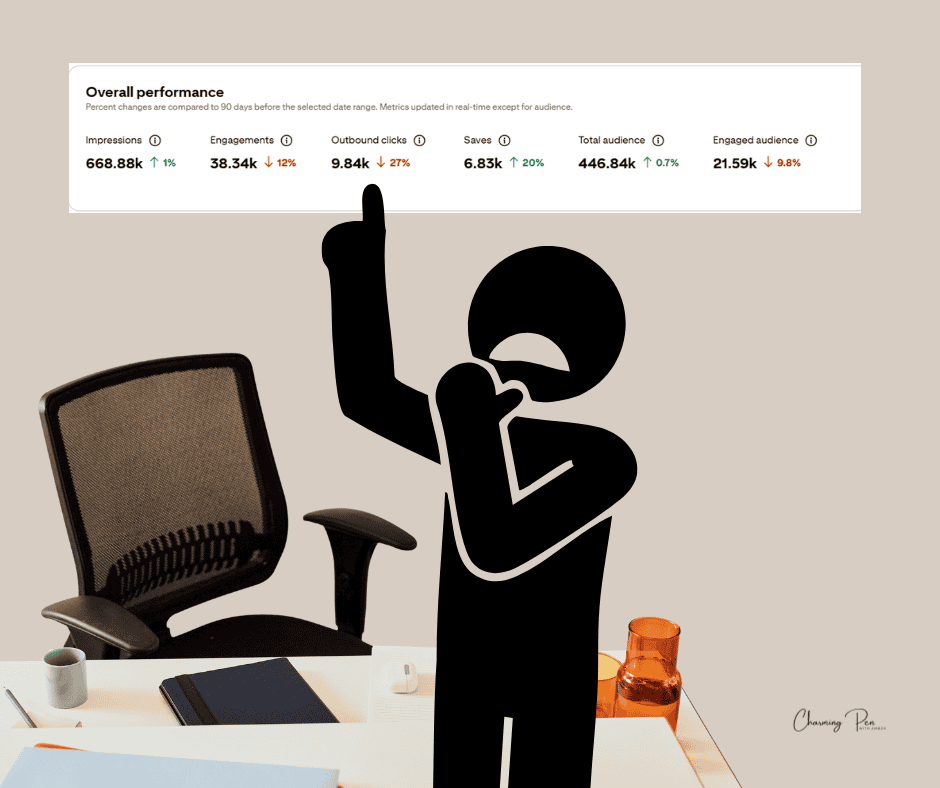
If Pinterest has managed to bury this metric without disrupting creator analytics, it could take similar steps with other high-value data in the months ahead. Outbound clicks, reaction counts, or even specific impression details could all become “first-party only” metrics, accessible exclusively through Pinterest’s reporting tools. If you want to dig into one of the most overlooked metrics still in play, my post on Find Pinterest Annotations to Improve Pin Performance walks you through exactly how to locate and interpret them.

For marketers, the takeaway is clear:
Expect more of the data to be buried in code as Pinterest positions itself as a competitive, closed-loop shopping environment.
Shift your analysis habits now to prioritize first-party analytics over external benchmarking.
This change is less about losing a number in a dashboard and more about adapting to a platform that’s tightening control over its performance signals — and reshaping how success is measured in the process.
Whether Pinterest hides save counts to protect data, return to its golden age, or prepare for more shopping integrations, the change is a clear sign that marketers should adapt quickly.
By dialing back the visibility of specific performance metrics, Pinterest could be aiming to reduce the “arms race” of competitive analysis and let content rise more naturally based on quality and relevance. Whether or not it plays out that way, this is a change worth watching — and adapting to — as the platform continues to evolve.
What to Do Next
Audit your data sources: Identify which metrics you currently rely on from third-party tools and confirm they’re still accurate.
Double down on Pinterest Analytics: Make sure you’re logging in regularly to track saves, clicks, and reactions directly from the source.
Diversify performance indicators: If saves are less visible, lean on other engagement metrics like outbound clicks, reaction counts, and pin click-through rates. You can also revisit my breakdown on Pinterest Traffic Drops for Bloggers: Why Pins Are Suppressed to understand how the platform shifts visibility based on engagement patterns.
Protect your competitive data: Be mindful of what you share publicly about your best-performing pins, especially if they’re tied to products or monetized content.
Stay adaptable: Watch for signs of other metrics being restricted, and be ready to adjust your reporting and content strategy quickly.
By being mindful of these changes now, you can avoid being blindsided if Pinterest continues to close off more performance data in the coming months. If this change has you questioning whether Pinterest is still worth your time, read my piece on Feeling Done With Pinterest? Read This Before You Quit for a long-game perspective.