Most bloggers still think of Pinterest as a visual social platform. However, the truth is that Pinterest functions as a visual discovery platform — closer to a Pinterest generative engine than a simple feed
When users search, Pinterest generates an answer feed built from Pinterest pins that best match user intent. It isn’t random. It’s structured, AI-informed, and getting sharper with every latest update.
And here’s the good news: if you’ve learned how to optimize Pinterest SEO already, you’re further along in Answer Engine Optimization (AEO) than you realize.
Why Pinterest Works Like a Generative Engine (The Pinterest Generative Engine Model)
Unlike Instagram or Facebook, Pinterest isn’t just matching keywords—it’s running on AI-informed surfacing systems. As Pinterest describes in their Help Center, they apply machine learning across search, home, and related feeds, and are even experimenting with Generative AI tools like image generation for ads and Pinterest Canvas.” (“AI at Pinterest”)
- Annotations & keyword optimization → Pinterest assigns meaning to your content (ingredients, themes, product images).
- User intent → Queries like “best zucchini dinner last month” surface pins that directly answer that question.
- Answer feeds → Instead of a list of links, users see a curated set of unique pins — much like how AI models deliver generated answers.
In other words, Pinterest is already blending machine learning training with generative artificial intelligence to surface content that feels like an instant answer.
Why Pinterest as a Generative Engine Matters for Bloggers
Bloggers are nervous about AI, but Pinterest’s performance shows you’ve been training for this shift all along. Think of it as practicing on a Pinterest generative engine before Google fully rolls out its own answer engine updates.
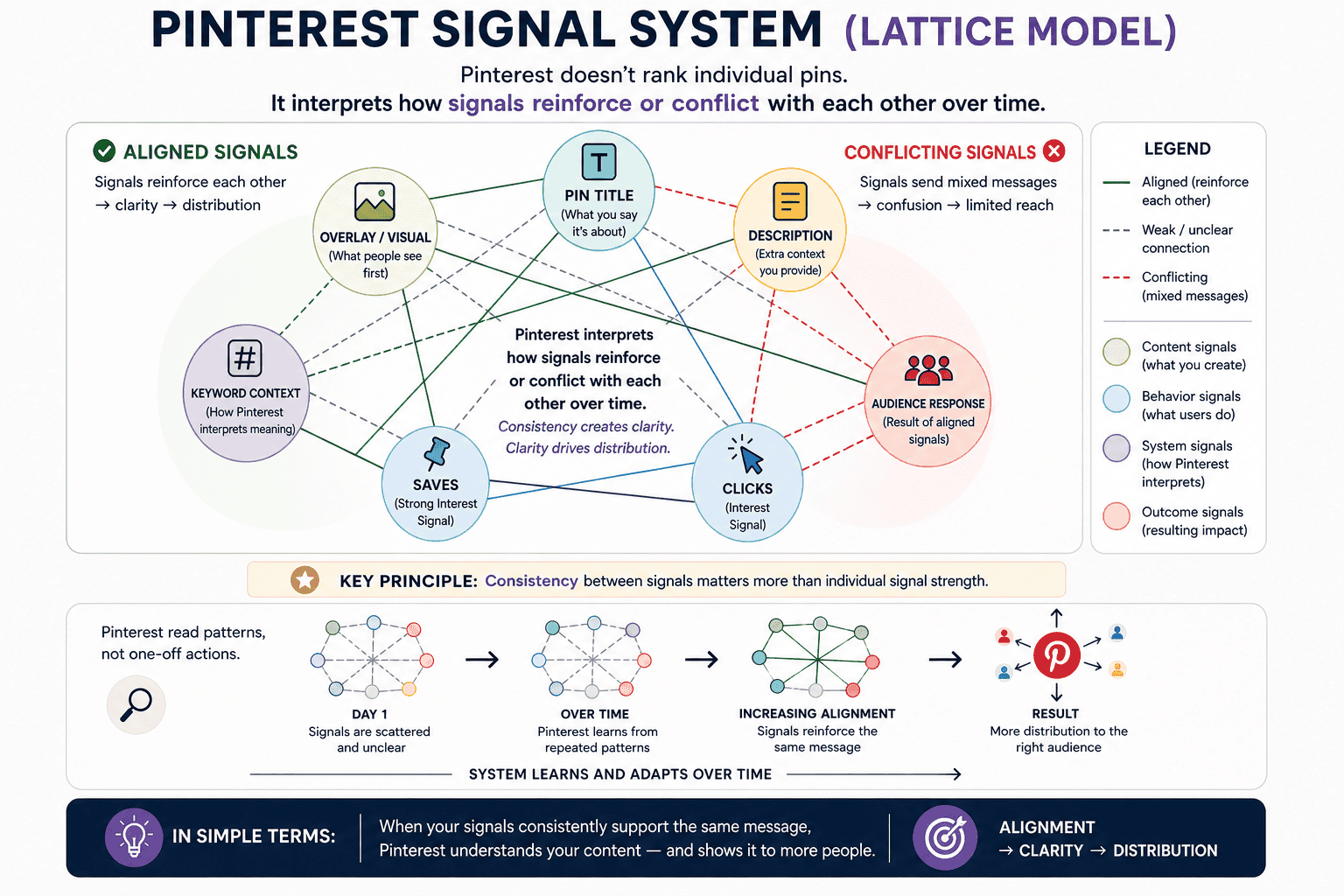
- Pin overlays = direct answers (like featured snippets).
- Keyword-rich descriptions and hashtags = metadata for AI-driven discovery.
- Boards and Pinterest profile structure = content clusters (just like internal linking on blogs).
- Saves and clicks = Pinterest engagement, the equivalent of user experience signals.
With monthly active users still growing, Pinterest remains one of the best referral engines for content creators seeking to reach a broader audience beyond traditional search engines.
Example: Food Blogger Advantage
Take a recipe for zucchini, tomato, and corn skillet:
- On Google, AI-generated answers may summarize it in a short paragraph.
- On Pinterest, your Pinterest pin maker design with a text caption like “Easy 20-Minute Summer Skillet” works as a precise, AI-generated pin answer.
- Add a FAQ section on your blog, and suddenly both Google and Pinterest have structured data to pull into their answer engines.
Bonus: Etsy products, Shopify products, or affiliate marketing links embedded in your pin description or blog post extend monetization even if AI overviews reduce direct traffic.
Actionable AEO Strategy on Pinterest
✅ Optimize for User Intent
- Use long-tail keywords and relevant hashtags in your Pinterest content.
- Test AI tools like an AI Pinterest pin generator or description generators for keyword-rich copy.
- Add overlays that answer real questions (“Best Time to Bake Peach Muffins” vs. “Peach Muffins”).
✅ Lean Into Generative Practices
- Treat overlays like featured snippets → short, concise answers.
- Use bullet points or step graphics on Canva (or Pinterest Canvas) to match the format of instant answers from genAI chatbots and engines.
- Schedule pins consistently (via Tailwind or native schedule pins features) for maximum engagement.
✅ Build Brand Authority
- Keep your Pinterest accounts consistent with your blog’s branding.
- Use product images and lifestyle imagery to connect with your target audience.
- Diversify with content formats — from static Pinterest images to carousels and idea pins — for next-level reach.
Pinterest as Training Wheels for AEO
If you’ve been pinning, you’ve already learned the entire process:
- Pin overlays = direct answers
- Annotations + hashtags = schema markup for AI engines
- Boards + recipe clusters = content clusters
- Pinterest engagement metrics = user experience signals
Pinterest has quietly prepared bloggers for the ongoing drive of many companies to train generative AI content systems. It’s not about losing traffic; it’s about adapting your visibility strategy.
Final Takeaway
Pinterest is more than a social site — it’s a visual discovery platform powered by generative AI. For bloggers, this makes Pinterest a true Pinterest generative engine for visibility and traffic.
By aligning your pins with Answer Engine Optimization practices — from concise overlays to structured descriptions — you protect your online visibility, build brand authority, and continue to reach the right audiences in a changing search landscape.
👉 And the good news? You’re already closer than you think.

Free Resource
Grab the Pinterest + AEO Checklist → a step-by-step guide to optimizing Pinterest content for AI-driven discovery.