Food bloggers are nervous — and for good reason.
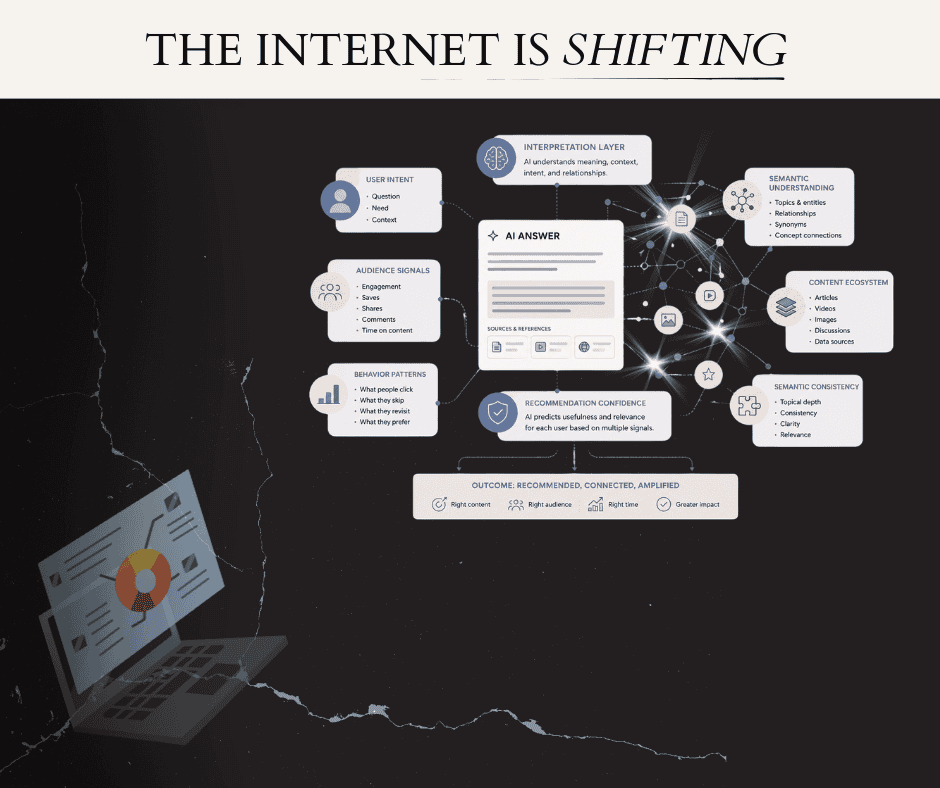
Google’s AI Overviews and other AI engines are now surfacing recipes, substitutions, and even freezing tips directly in search engine results pages. Instead of clicking through, readers are often handed instant answers.
That feels like a gut punch if your income relies on ad RPMs, affiliate links, or sponsored content.
The good news? You’re not powerless. You can adapt with Answer Engine Optimization for food bloggers — a strategy built for answer engines, AI tools, and AI assistants that deliver AI-generated answers straight to users.
Why Food Bloggers Are Hit Hardest
Unlike other content creators, food bloggers publish recipe blog posts that are already highly structured:
- Ingredients lists, detailed instructions, and step-by-step guides
- FAQs like “Can I freeze this?” or “What’s the best substitution?”
- Visual recipe cards with star ratings
That structure makes recipes prime real estate for answer boxes, rich snippets, and featured snippets. AI can easily parse it with natural language processing and machine learning.
Add in the fact that many readers use voice assistants like Google Assistant for cooking help — and it’s easy to see why food bloggers are on the front line of this shift.
How AI Overviews Work with Recipes
AI-powered platforms don’t read your blog like a human. They scan for direct answers that satisfy user intent fast:
- Schema markup (Recipe + FAQ + How-To)
- Concise answers / short answers to specific questions
- Recipe card plugins with structured data
- Clear headings and bullet points that give a precise answer
If your content clearly delivers that information, your recipe has a much better chance of being cited within AI-generated results instead of being ignored.
The Food Blogger’s AEO Strategy
This Answer Engine Optimization food bloggers guide will help you protect traffic step by step.
1. Strengthen Schema
Add schema markup for Recipe, FAQ, and How-To to every recipe. This helps both traditional search engines and answer engines recognize your content as authoritative.
2. Target Common Questions
Build a mini FAQ section into each recipe post with real questions readers ask:
-Can I freeze this?
-How long will it keep?
-Can I use almond flour instead?
-This satisfies search intent and captures
3. Optimize Your Summaries
Write a short answer at the top of each recipe:
“This zucchini bread is a moist, one-bowl recipe you can bake in under an hour. It freezes well for up to three months.”
That’s precisely the kind of concise AI-generated summary that engines are looking for.
4. Use Long-Tail Keywords
Do keyword research around long-tail keywords and long-tail questions like “how to freeze zucchini bread” or “best gluten-free flour for cookies.” These match the way readers phrase user queries in AI chat and voice.
5. Improve Technical SEO
Don’t forget traditional SEO strategies:
-Optimize meta descriptions, titles, and alt text
-Ensure site speed and mobile optimization are strong
-Use internal links / internal linking to related recipes (recipe clusters)
-Track with Google Search Console and Google Analytics
These SEO strategies remain crucial for maintaining online visibility and a competitive edge.
6. Focus on High-Quality Content
High-quality content with strong user experience signals (clear layout, content formats that work on mobile devices, consistent branding) will always perform better — whether in traditional search results or AI-driven search results.
The Elephant in the Room: Why Are You Blogging in the First Place?
Let’s be honest: all these shifting rules — SEO, Answer Engine Optimization, schema markup, AI visibility — can feel like a game where the rules change just as you’ve taught them.
Food bloggers often ask:
👉 “If I’m just tweaking posts for AI engines, am I losing the heart of why I started this blog?”
👉 “Am I serving my readers, or am I serving algorithms?”
Here’s the hard truth: you can do everything “right” for SEO or AEO and still feel burned out if you’ve lost sight of your why.
You didn’t start blogging to chase traffic graphs. You started because you love food, creativity, connection, and the joy of someone cooking your recipe in their kitchen.
Reframing the Work: From “Tricks” to Service
Instead of seeing optimization as a set of tricks to outsmart Google or AI, think of it as a translation layer between you and your audience.
- Schema markup isn’t about robots — it’s a way to make your recipes easier for humans to find, save, and use.
- FAQs aren’t filler — they’re real questions your readers have, answered clearly so you become their trusted source.
- Concise summaries aren’t “giving it all away” — they’re serving the rushed mom at 5 PM who needs to know if she can freeze this casserole.
In other words, AEO strategies done well are not about chasing algorithms — they’re about removing friction between your recipe and the reader who needs it.
Protecting Monetization Beyond Website Traffic
Even if AI-generated responses take away some clicks, you can protect your website traffic and income by diversifying your content strategy:
- Build your email list by offering freebies, such as meal plans or printable PDFs.
- Create e-books or downloadable step-by-step guides.
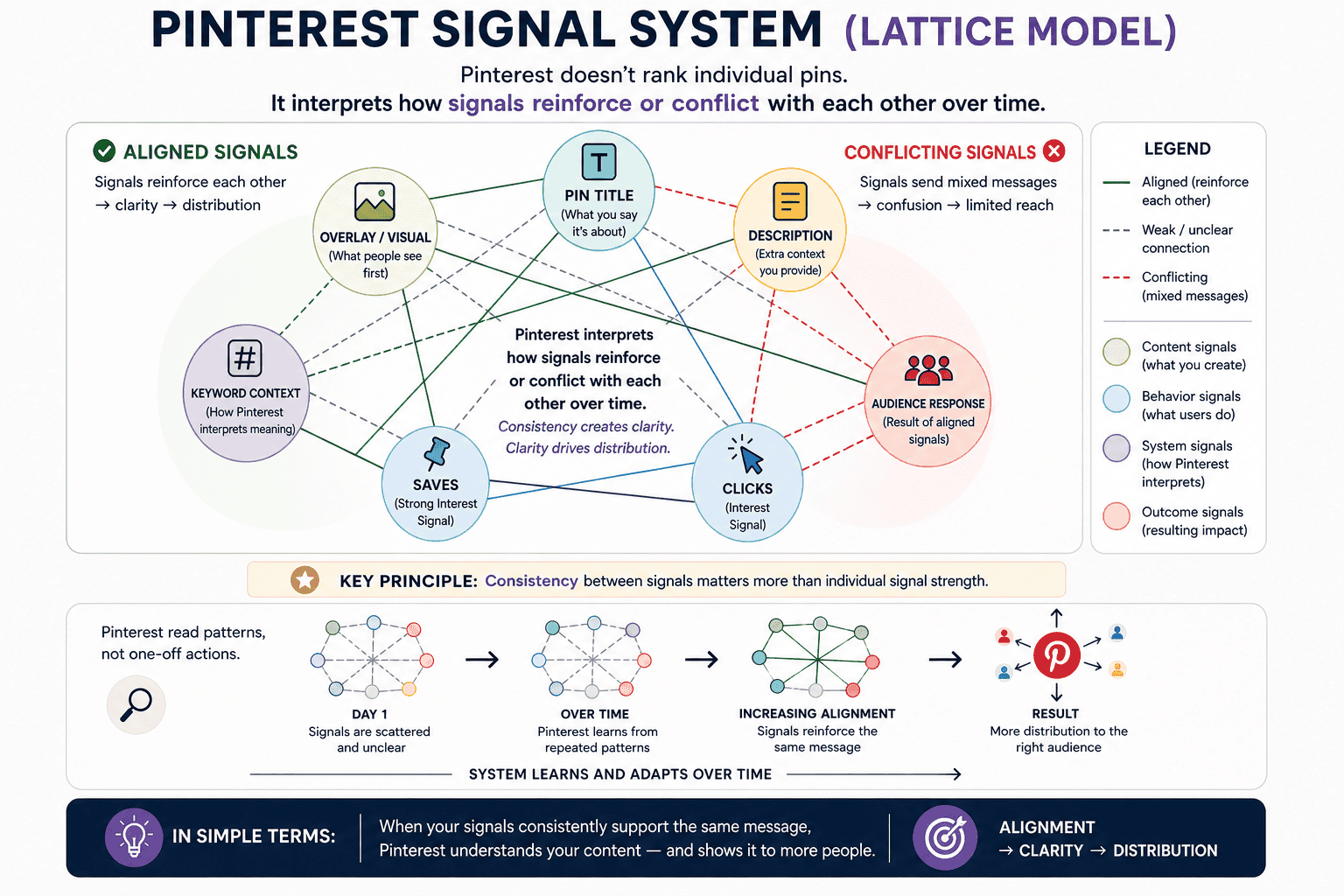
- Strengthen your online presence with Pinterest and social media (still top referral sources).
- Promote affiliate products that readers must click to buy.
- Build brand authority so readers choose you even when AI provides a short answer.
Think of this as a holistic digital strategy for food bloggers — one that doesn’t depend on a single platform.
Adjusting Your View: Strong Why, Smart How
Here’s the pivot:
- Your why stays the same → share recipes, stories, and creativity.
- Your how evolves → use SEO, AEO, and GEO not as gimmicks, but as tools to extend your reach.
Instead of asking, “Will AI take my traffic?” ask:
✨ “How can I make sure my voice, my recipes, and my perspective are part of the answers people are already looking for?”
When you align optimization with your deeper purpose, it stops feeling like a compromise — and starts feeling like amplification.
The Mindset Reset
Yes, traditional search results are changing. Yes, AI will continue to deliver AI-generated responses in answer boxes.
But remember:
- Readers still need detailed instructions, photos, and the trust that only you can provide.
- AI isn’t replacing food bloggers — it’s reshaping how recipes appear in search engine results pages.
- Bloggers who embrace Answer Engine Optimization will stay visible, keep their online visibility, and gain a competitive edge over those who don’t.
Final Takeaway
Food blogging isn’t over. However, the way you optimize must evolve.
- Use schema. (direct reference for recipe schema)
- Anticipate common questions.
- Write concise, precise answers.
- Diversify your digital strategy.
Answer Engine Optimization for food bloggers is the key difference between being ignored by AI and being the source AI cites.

Free Download AEO Checklist For Food Bloggers
A step-by-step guide to protecting your traffic and keeping your recipes front-and-center in AI-driven results.