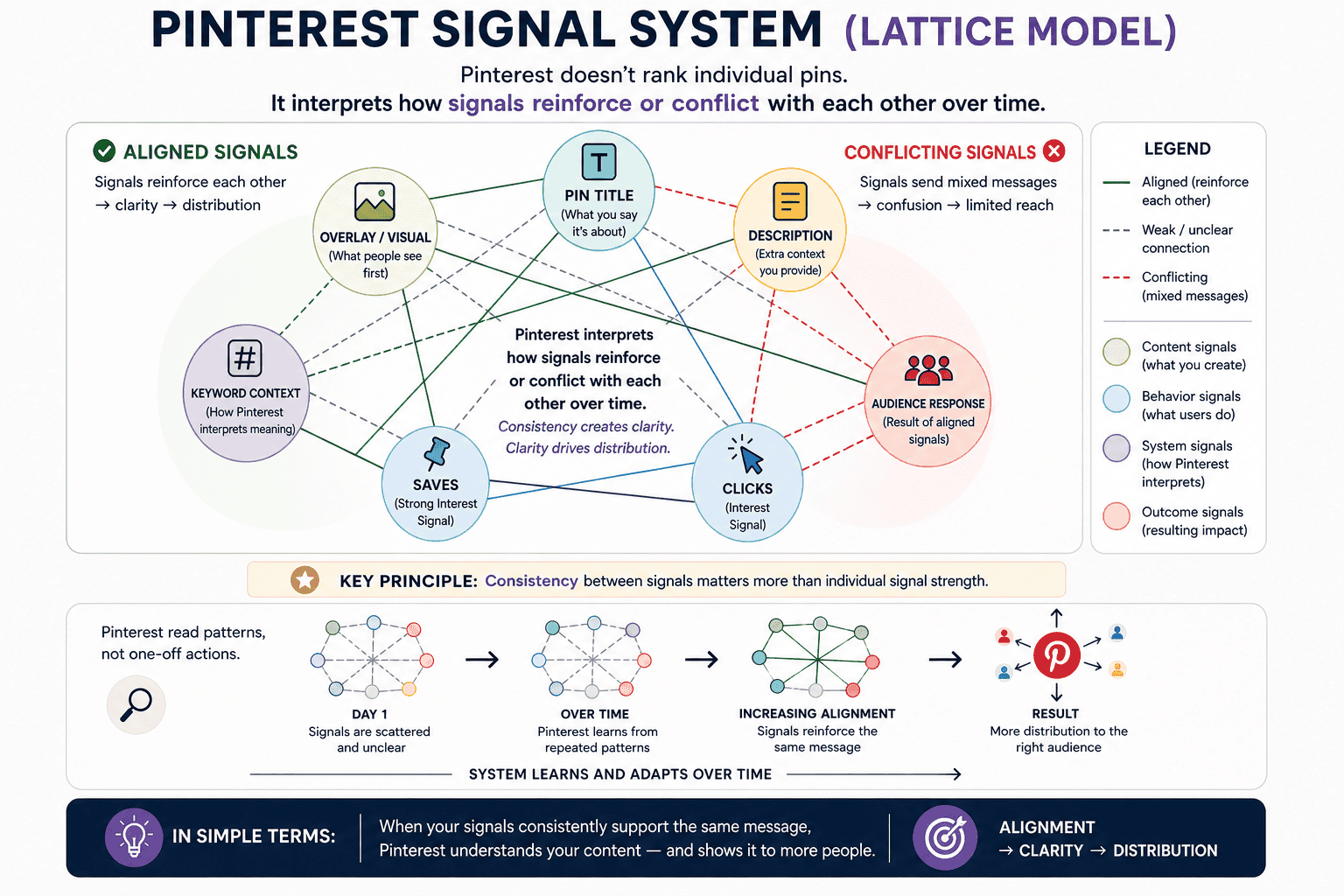
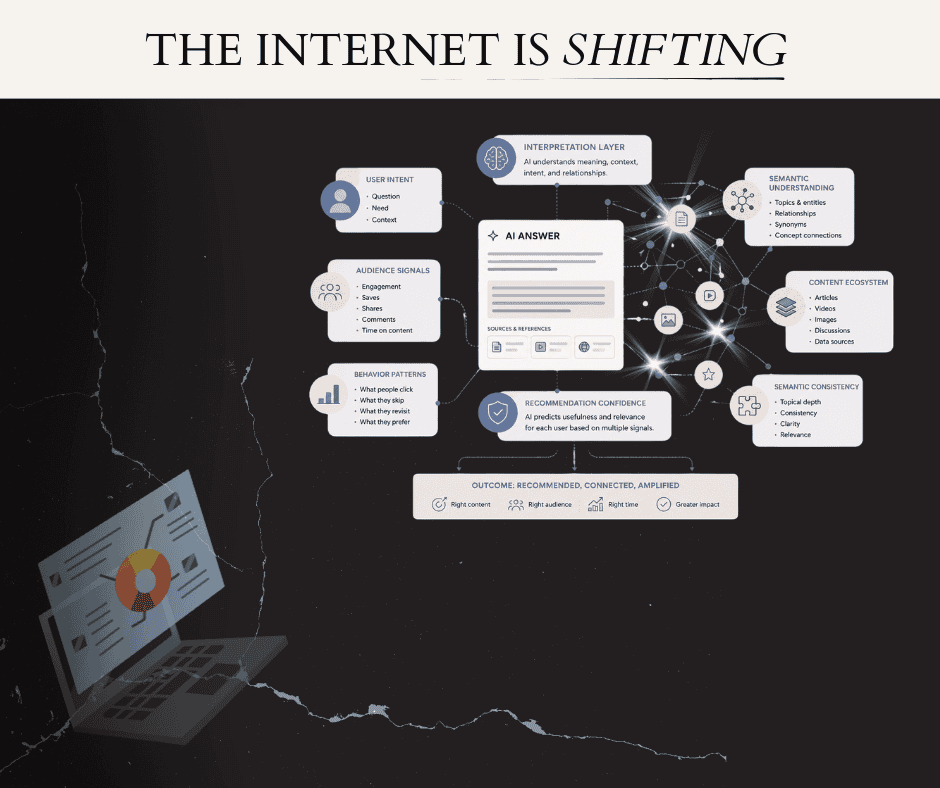
Step-by-Step Guide to Staying Visible in the Age of AI Search
Why Bloggers Need This Checklist
SEO is changing. Traditional search engines like Google aren’t the only players anymore. The rise of AI engines, AI-powered platforms, and AI search engines means readers are getting AI-generated summaries and immediate answers instead of scrolling through ten blue links.
This checklist works for all bloggers, but food bloggers in particular will see big benefits. Recipes and how-to blog posts are prime content for AI engines, voice assistants, and AI-powered answer engines — meaning your work is more likely to be surfaced in AI-generated responses or even fully summarized in Google AI Overviews.
The good news? You don’t have to start over. You just need a clear plan — a checklist that translates best practices into today’s search landscape. That’s where Answer Engine Optimization (AEO) comes in.
1. Strengthen Schema Markup
- Add schema markup for Recipe, FAQ schema, and How-To on relevant blog posts.
- Use a recipe card or plugin that supports star ratings and structured data.
- Why it matters: schema helps both traditional search results and AI-powered answer engines recognize your blog as a trusted source for clear answers.
2. Add FAQ Sections
- Build in FAQs that answer user questions directly: substitutions, storage, freezing, shelf life.
- Keep them short — concise answers and clear answers are more likely to be pulled into featured snippets and voice search results.
- Why it matters: FAQs satisfy user intent and align with voice search optimization trends across voice assistants like Google Assistant or Siri.
3. Optimize Your Summaries
- Open each blog post with a short paragraph that delivers a direct answer.
- Highlight the definitive answer readers need: cook time, servings, substitutions.
- Why it matters: AI-generated responses and AI-powered tools often pull from the first few lines of a page when building AI-generated answers.
4. Use Long-Tail Keywords & Conversational Queries
- Do keyword research to identify long-tail keywords and long-tail questions.
- Add these as H2 or H3 subheads in your web pages.
- Phrase headings in conversational queries (the way real people speak).
- Why it matters: AI systems and AI assistants are designed to match natural language and user queries.
- Use tools that track conversational and question-based search (like AlsoAsked, AnswerThePublic, or Pin Inspector for Pinterest-specific phrasing). Focus on keywords framed as natural questions, e.g., ‘how do you store banana bread overnight’ or ‘what’s the best oil for searing tofu.
5. Maintain Strong Technical SEO
- Optimize meta descriptions, alt text, and titles.
- Improve site speed and ensure mobile devices deliver a smooth user experience.
- Strengthen internal linking across related blog posts.
- Track progress in Google Search Console.
- Use descriptive alt text that mirrors natural queries (e.g., “step-by-step photo of folding egg whites into sponge cake batter
- Why it matters: traditional SEO tactics are still foundational to organic traffic and online visibility.
6. Create High-Quality Content
- Use step-by-step guides and bullet points for clarity.
- Write in short paragraphs and conversational language to match modern AI-driven platforms.
- Provide detailed instructions and high-quality visuals.
- Why it matters: AI models and AI-powered tools prefer structured content optimization that reflects real user needs.
- Include “structured micro-answers” — short one-sentence takeaways under each major section to help AI extract correct summaries. Example:“This banana loaf keeps for three days at room temperature or up to three months frozen.”
7. Strengthen Author & Entity Signals
- Include a consistent author bio with expertise markers (experience, credentials, or authority statements).
- Link to social profiles and organization pages using
sameAsschema. - Keep About and Contact pages current and interlinked.
8. Build Brand Authority
- Strengthen your Pinterest presence, LinkedIn marketing, and social media for a wider audience.
- Consistent personal branding across channels.
- Use your blog as a hub and diversify with e-books, freebies, or case studies.
- Why it matters: content creators who position themselves as authorities are more likely to be cited in AI-generated results.
Why AEO Matters Now
This isn’t just about tricking algorithms. It’s about creating answer-focused content that solves user needs in real time.
- Google’s AI Overviews (formerly Search Generative Experience), Perplexity, ChatGPT Search, and Gemini Search all now blend AI answers with clickable source citations. These new SERPs prioritize clarity, freshness, and recognizable expertise.
- AI-powered answer engines look for direct answers and concise answers they can use.
- The evolution of SEO means moving from ranking for keywords to being the best source of the real results readers want.
And the best kept secret? Generative Engine Optimization (GEO) builds on AEO — making sure your content shows up across AI platforms, AI-driven platforms, and AI apps.
Final Takeaway
SEO got you this far. But the best way to stay visible in today’s search landscape is through Answer Engine Optimization.
Apply this checklist as part of your publishing routine. Each optimized post teaches AI engines who you are, what you specialize in, and why your answers are reliable:
- Use schema.
- Add FAQs.
- Write direct answers and concise answers.
- Optimize for voice search results.
- Keep producing high-quality content with readers in mind.
Do that, and you’ll not only maintain online visibility — you’ll future-proof your blog against whatever changes come next.
🎁 Free Download
Pro Insight (2025): AEO and GEO now overlap. Every time you update or republish a post, include a short 1-2 line “AI Summary” paragraph at the top — it doubles as metadata for AI crawlers and a service to readers.
👉 Grab the Printable Blogger’s AEO Checklist — your step-by-step guide to publishing blog posts that win traffic in the age of AI-generated summaries and AI-powered answer engines.