If you’ve ever wondered why your Pinterest strategy feels stuck — even though you’re “doing everything right” — there’s a good chance you’re unknowingly throttling your results with unrealistic expectations.
Pinterest has always been a powerful tool for business growth. However, in 2025, it demands sharper marketing plans, stronger keyword research, and a deeper understanding of how your Pinterest business account actually performs. Whether you’re managing your own Pinterest profile or working with a strategist, it’s time to align your brand’s strategy with best practices built for the current environment — not 2020.
Pinterest Has Changed — and So Should Your Expectations
For any business owner using Pinterest to build brand awareness and reach a specific audience, the landscape has evolved. The platform now pushes fresh pins faster, ranks new content by relevance, and rewards keyword depth over repetition.
Success no longer depends on one perfect viral image. It depends on a balanced Pinterest marketing strategy — one that blends new pins, consistent posting, and careful keyword research to reach the right audience at the right time.
A Pinterest account that thrives today prioritizes relevant keywords, optimized pin descriptions, and new content released steadily through your marketing calendar.
Discover how you can use Chatgpt to make new pin descriptions more effective than most AI versions.
Not All Pins Are Created Equal
Here’s the hard truth: not every pin will take off — and that’s okay. Pinterest performance relies on testing, not perfection.
A pin with a short, surface-level description might catch some quick traction because it sends Pinterest a strong signal — “Hey, this is all about cinnamon buns.” That’s useful for initial visibility.
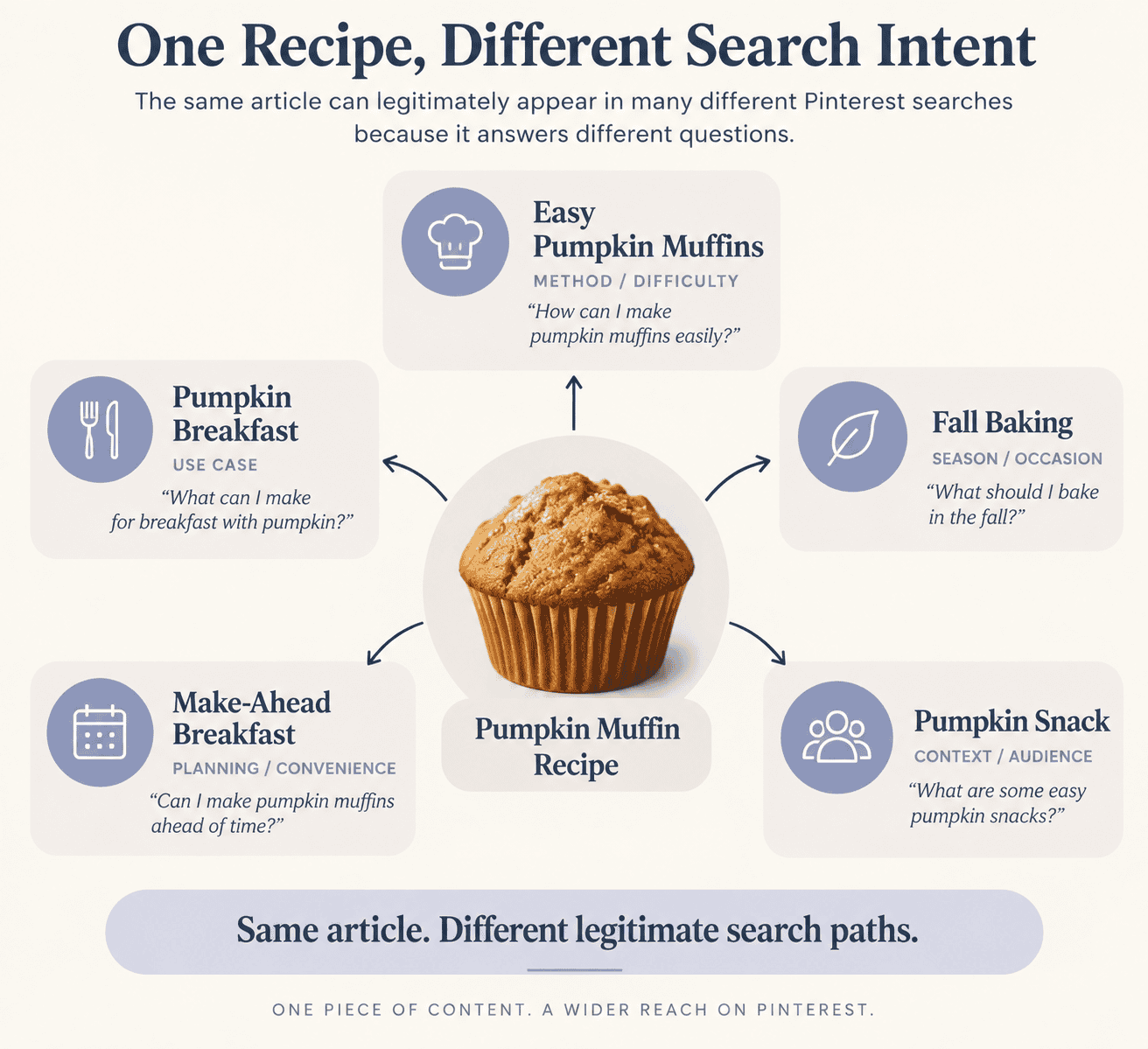
But long-term performance depends on context depth. A pin layered with related, keyword-rich details — “cinnamon rolls,” “baking recipes,” “fall brunch,” “sweet dough desserts” — teaches Pinterest’s AI more about the ecosystem of that content. Over time, those layers help it understand how to categorize and resurface that URL in multiple contexts: recipes, holidays, baking inspiration, comfort food, and so on.
And here’s the part people overlook: even the pins that don’t seem to “perform” are still performing a function. They’re training Pinterest’s AI. Each pin adds new data points to the cluster around your URL — reinforcing its topic authority and sharpening how Pinterest connects it to related searches.
So while not every pin becomes a winner in your analytics, every one of them is working behind the scenes — building your content’s footprint within Pinterest’s understanding of your niche.
In short: quick pins spark discovery, layered pins sustain it, and every pin contributes to the bigger picture of authority.
The First 48 Hours vs. Slow-Growth Pins
Pinterest’s discovery system runs in two phases:
- The Burst Phase (First 48 Hours): Pinterest tests your new pins and pushes them into feeds. Engagement here helps determine short-term traction.
- The Compound Phase: Pins that keep getting saves or clicks continue building quietly over time.
Both phases are essential for long-term Pinterest performance.
When your marketing plans limit output, you restrict both quick tests and slow compounding growth.
“When your budget only allows a few pins, you’re forcing your manager to choose between discovery and consistency. That’s like asking them to grow an orchard from one tree.”
Following best practices and studying analytics helps you adapt to these cycles and improve future pins. That’s how strategists turn insights into momentum.
Why Some Accounts Still “Get Away With It”
You’ve probably seen accounts getting traction with just a few pins a week. It’s tempting to believe the same formula will work for you — but here’s what’s missing:
Most of those creators are legacy accounts. They’ve built years of topical authority, brand recognition, and keyword trust. Their content already ranks high because Pinterest knows their niche and target audience.
If you’re starting, you’re not behind — you’re simply at a different stage. Those old accounts are surfing momentum; you’re still building the wave. The difference is data depth and consistency.
Budget vs. Bandwidth — The Real Limiter
If you’re paying a manager a couple of hundred dollars a month, that’s a fair starting point — it means your strategy must stay streamlined and focused on what drives the best results. But you will get there.
But your budget is smaller than that. In that case, it’s often more effective to pause outsourcing and invest your time in learning how Pinterest marketing actually works. When budgets throttle output — fewer new pins, limited testing of idea pins, and no room for A/B adjustments — the system can’t scale.
If you don’t have the financial backing to invest in management right now, realistically, focus on understanding how to create your own seasonal marketing strategy. Map out important moments for your audience, plan your own seasonal strategy around holidays or product launches, and use Pinterest analytics to track what’s working.
Because dropping a limited budget on throttled management doesn’t create growth — it just slows it down.
And if you’re still running your marketing plans on 2020 pricing and packaging in a 2025 environment, that’s your prerogative. Just understand that the platform, the competition, and the specific opportunities have evolved. Your brand’s strategy and investment level must evolve with them.
The Lattice Effect — Why Keyword Depth Wins
Pinterest’s success isn’t built on repeating the same root keyword ad nauseam. It’s built on keyword depth — the interconnected network that tells Pinterest what your business represents.
Think of it as a lattice: each pin ties into multiple related searches, such as “seasonal marketing,” “fall baking ideas,” or “marketing calendar planning.” When you target specific opportunities through this structure, you expand visibility across a wider audience.
Every new pin helps reinforce your authority when it’s tied to relevant keywords. Over time, this web of content gives Pinterest clear signals about your niche. It helps your business account surface during important moments when your audience is planning, shopping, or saving ideas.
Managing Pinterest Yourself (and Doing It Right)
If you’re not ready to hire a manager, managing Pinterest yourself is entirely possible — you have to approach it strategically.
Follow these best practices to start:
- Build a marketing calendar that aligns with your target audience and specific opportunities.
- Plan new ideas and pin consistently at the right time for your niche.
- Use Pinterest analytics to measure performance and pivot based on insights.
- Keep experimenting with different pin types, fresh visuals, and keyword clusters.
Pinterest remains a powerful tool for reaching new audiences and building long-term brand awareness. With clear goals, data, and a bit of patience, even small businesses can create a sustainable system that compounds over time.
Final Takeaway: Give the Data Room to Breathe
Pinterest is a marathon, not a sprint. The best results come from steady testing, keyword refinement, and consistent output.
If you’re managing your own account, focus on learning — not rushing.
If you’re hiring, give your strategist enough runway to test and scale.
Because you can’t demand miracles from a throttled system and then act surprised when the math doesn’t add up.
Growth follows investment — in time, in consistency, and in understanding.
And the smartest investment you can make right now is learning how your Pinterest business account really works.