If Pinterest has been sitting on your marketing to-do list for months, the beginning of 2027 might be the perfect time to finally give it some attention.
I’ve managed Pinterest accounts for years, and one thing I’ve learned is that Pinterest rarely rewards impatience. You can’t simply upload a handful of pretty images, wait a week, and decide the platform doesn’t work.
Pinterest needs time to understand your content, connect it with relevant searches, and determine where it belongs.
That’s one of the reasons I think the first quarter of 2027 offers a particularly useful starting point for bloggers, service providers, and small businesses.
Not because January offers some magical algorithm advantage. It doesn’t. But because starting early gives you time to build a strategy before you need the results.
What to Do in Your First Quarter on Pinterest
- January: Set up your business account, choose a few useful pages to promote, and check Pinterest Trends for when relevant spring searches started rising in your region last year. Pinterest Business help
- February: Publish at a pace you can sustain. Test two relevant search angles for one page and start publishing spring Pins ahead of the demand you spotted.
- March: Review impressions, saves, and outbound clicks together. If a Pin is getting seen but rarely clicked, check whether its image and headline give someone a clear reason to visit the page.
1. Pinterest Marketing Takes Time to Build Momentum
Unlike platforms where a post might receive most of its attention within a day or two, Pinterest content can continue circulating long after publication.
That doesn’t mean every Pin will succeed or that old Pins are guaranteed continued distribution.
It means your content has opportunities to be discovered through searches, recommendations, and related content over time.
I’ve explored this in more detail in Pinterest Growth Timeline: What Actually Matters, where I look at why growth isn’t always a straightforward upward climb.
If you start in January, you can spend the first quarter establishing your content categories, testing keyword angles, and learning how Pinterest responds to your material.
By spring, you’ll have something more useful than a brand-new account: actual performance information to work with.
2. You Can Prepare for Seasonal Searches Before They Arrive
One mistake I regularly see is businesses creating Pinterest content when their audience is already searching for it.
Pinterest users often plan ahead.
Someone searching for gardening ideas in February might be preparing for spring planting. A food blogger publishing Easter recipes in March could already be competing with content that has been circulating for weeks.
Starting your Pinterest marketing in Q1 gives you an opportunity to plan content around upcoming seasonal interests.
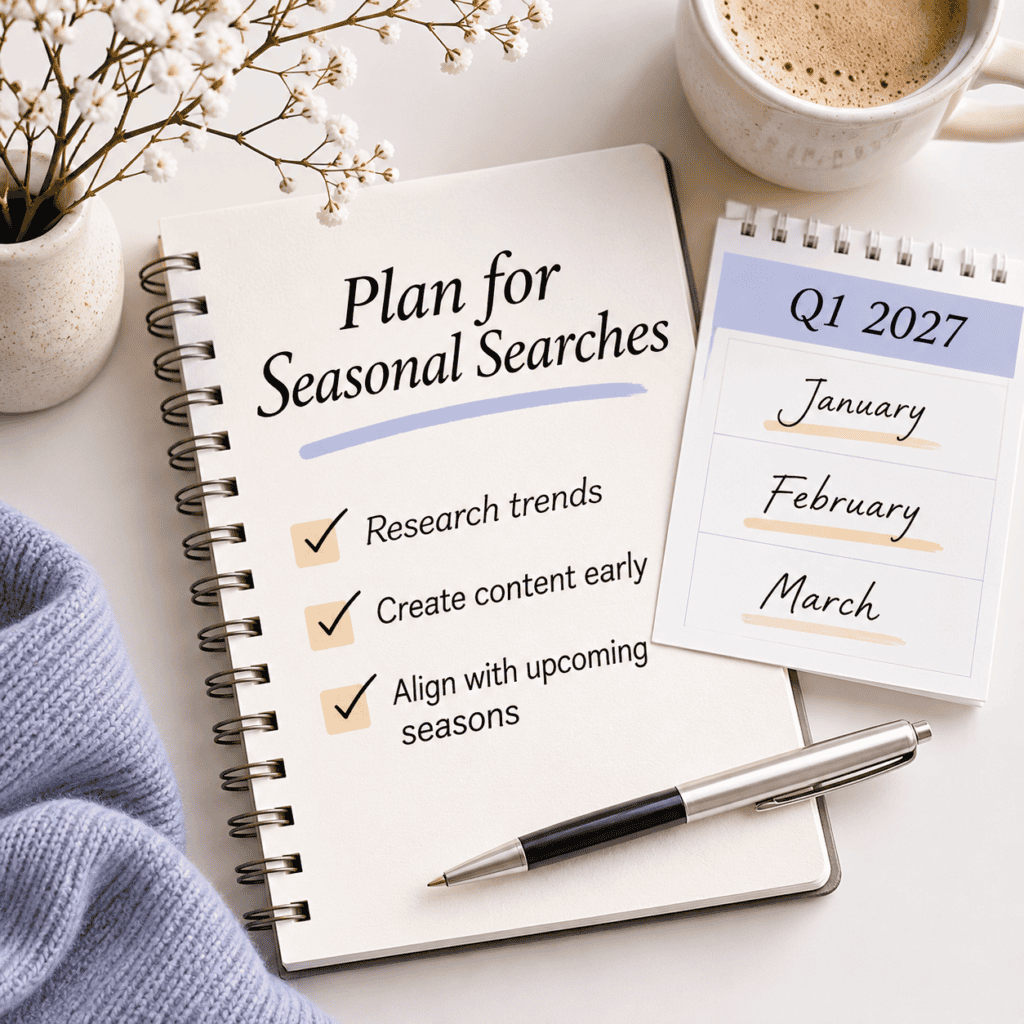
Use Pinterest Trends to explore when searches begin gaining interest rather than relying entirely on the calendar.
And remember, seasonal timing varies by topic, country, and audience. There isn’t one universal publishing window that works for everyone.
This is why I believe your Pinterest marketing strategy should never be finished. Your content planning should evolve as you discover new opportunities.
3. Pinterest Offers Another Path to Website Traffic
If the last few years have taught website owners anything, it’s that relying entirely on one traffic source can leave a business vulnerable.
Google algorithm changes, shifting search behaviour, and AI-generated answers have changed how people discover online content.
Pinterest offers another discovery channel.
A well-matched Pin can introduce someone to a blog post, product, tutorial, or service they might never have found through Google.
However, Pinterest impressions aren’t the same as website visits.
I pay particular attention to outbound clicks because they tell me whether Pinterest users are actually moving from the platform to the website.
For businesses that depend on website traffic, that distinction matters considerably.
I’ve also written about why Pinterest traffic can feel unpredictable and why sudden changes shouldn’t automatically trigger a complete strategy overhaul.
4. You Can Build a Content Strategy Around Search Intent
Pinterest isn’t simply a place to display attractive graphics.
People use it to find ideas, compare possibilities, plan purchases, and solve problems.
A single article may answer several related questions, but that doesn’t mean every Pin should repeat the same headline.
For example, an article about organizing a small kitchen might legitimately support Pins about kitchen storage, cupboard organization, or space-saving ideas.
Each angle gives someone a different reason to discover the content.
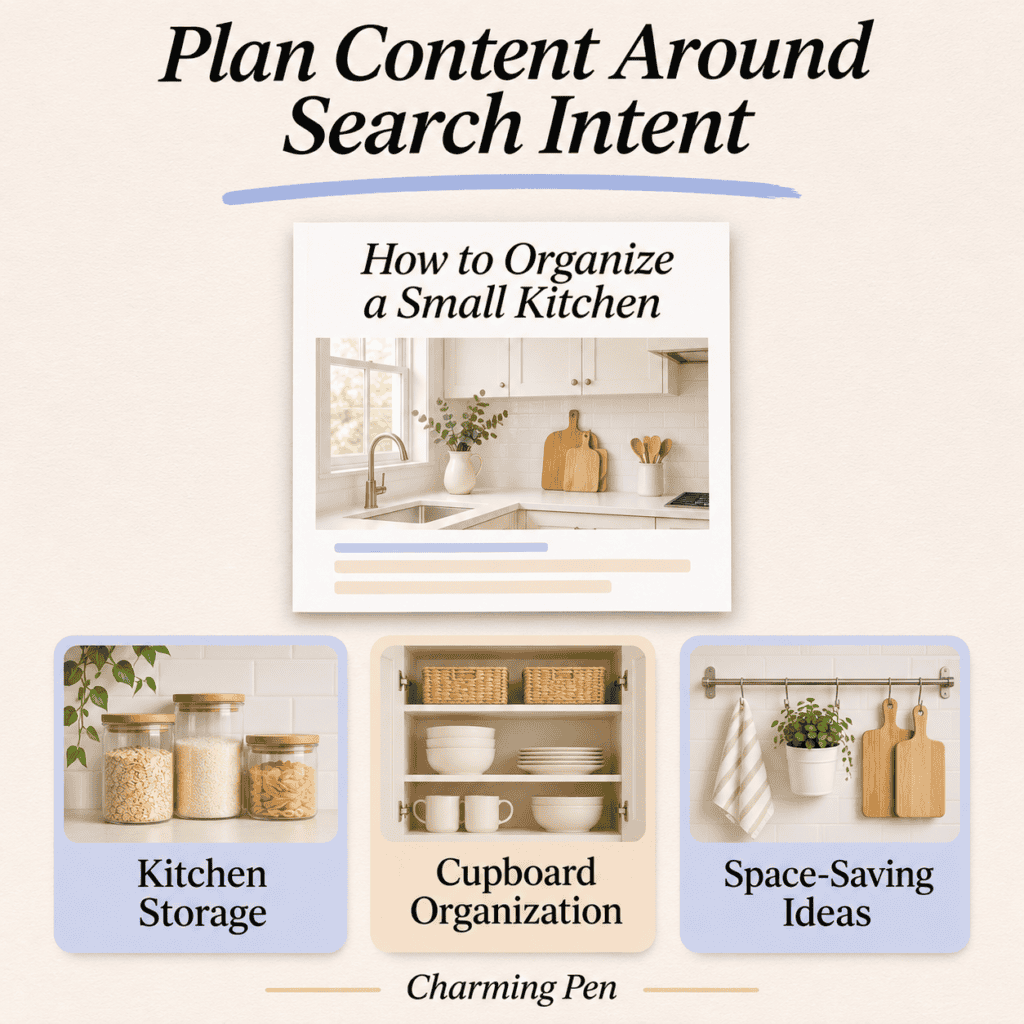
I’ve written more about this approach in One Article, Many Pinterest Search Paths, including how to expand your keyword opportunities without losing sight of the content you’re promoting.
The important part is keeping every Pin truthful to the destination. A clever headline won’t help your business if the linked article doesn’t deliver what it promises.
5. Pinterest Can Support More Than Blog Content
Pinterest marketing isn’t limited to food bloggers and DIY websites.
Depending on your audience, it can support:
- Product discovery for online shops
- Educational content for service-based businesses
- Blog traffic and newsletter growth
- Evergreen tutorials and resources
- Brand recognition through consistent visual content
Businesses with product catalogues may also benefit from Pinterest’s shopping features, subject to eligibility and account requirements.
The official Pinterest Business resources explain how businesses can use the platform for discovery, brand awareness, and advertising.
The opportunity isn’t identical for every industry, though.
Before investing heavily, consider whether your potential customers actually use Pinterest to research the topics, products, or services you offer.
6. Q1 Gives You Time to Learn What Your Analytics Are Saying
I would rather see a business start with a manageable, consistent publishing schedule than overwhelm itself trying to produce dozens of Pins immediately.
If you’re unsure where to begin, my article on how often you should post on Pinterest explores the importance of finding a sustainable publishing rhythm.
The first few months should involve observation as much as publishing.
Which topics are earning impressions? Which Pins generate outbound clicks? Are some content categories consistently performing better than others?
Pinterest Analytics provides access to performance metrics, including impressions, engagement, and outbound clicks.
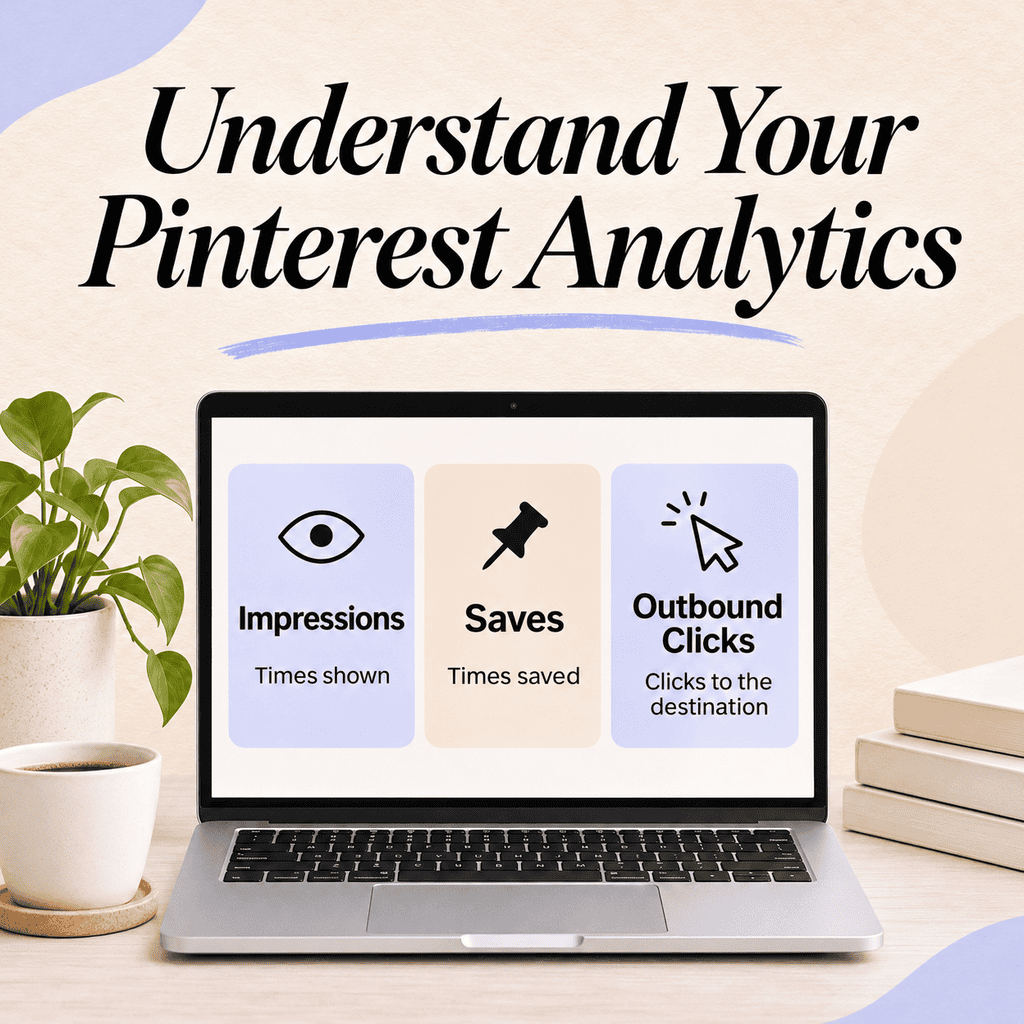
However, individual metrics don’t always tell the entire story.
An impression spike, for example, isn’t automatically evidence that your strategy is working.
Understanding what happens after that spike is much more useful.
That’s the thinking behind Pinterest Signals: What Your Analytics May Actually Be Telling You, where I explore how different performance signals can reveal more than a single headline number.
7. You Don’t Need to Have Everything Perfect Before Starting
One of the advantages of beginning in Q1 is having room to experiment.
You don’t need hundreds of blog posts, expensive software, or an elaborate publishing system.
You do need a clear understanding of what your business offers and who you want to reach.
Start with a Pinterest business account, a claimed website if you have one, relevant content categories, and a small collection of useful pages worth promoting.
My Pinterest account optimization checklist walks through those foundational steps if you’re setting up a business account or revisiting one you’ve neglected.
Research the language your audience uses. Create Pins that accurately represent your content. Publish at a pace you can maintain.
Then review the results before deciding what to scale.
That’s a much better foundation than chasing every new Pinterest tactic you encounter.
Is Pinterest Still Worth Starting in 2027?

I believe it is, for the right business.
But I wouldn’t promise anyone instant traffic, guaranteed reach, or a predictable timeline for success.
Pinterest has become a more complex discovery platform, and its recommendations, search systems, and shopping experiences continue to evolve.
That makes understanding your content and audience more important, not less.
If you’ve been putting Pinterest off, Q1 2027 is a sensible time to begin building a presence. You can use those first three months to establish your strategy, learn from your analytics, and prepare content for the seasons ahead.
And if you already have an account that isn’t delivering the results you expected, you may not need to start over. You might need a closer look at your content, keyword targeting, and distribution patterns.
At Charming Pen, I help businesses understand their Pinterest performance and develop strategies based on what their content and analytics are actually telling them.
If you’d like an experienced perspective on what’s happening with your account, explore my Pinterest Strategy Audit to see how I can help identify opportunities for improvement.
Because successful Pinterest marketing isn’t just about making more Pins. It’s about understanding why you’re making them in the first place.